What “Flagged (Advisory)” Means

A Flagged (Advisory) badge is a consumer‑protection signal. It appears when ComplyTexas identifies credible, public‑source indicators of heightened regulatory risk for a business or product in any sector This is not a certification outcome. It’s a transparency indicator shown on a registry listing when ComplyTexas has been notified of credible, information (e.g., active consumer complaints or recent enforcement actions) that warrant public attention.

ComplyTexas can provide the badge structure, serial verification, and links to official public records, but it does not make factual findings or legal conclusions about any company’s conduct. “Flagged (Advisory)” entries are citation‑based notices meant to help the public find relevant agency orders and court decisions. They are not legal advice and not a regulator’s approval or determination. Please review the linked sources yourself.


Flagged (Advisory)

About Advisory Entries

What this is:

  • An informational advisory issued by ComplyTexas to aid consumers, partners, and regulators.

  • It’s regulator‑first. We submit regulatory queries and rely on regulator‑verified updates only. We don’t mediate complaints or publish company rebuttals.

What this isn’t:

  • It is not a finding of wrongdoing. It summarizes public information (e.g., regulator orders or bulletins, court rulings, licensing actions, open dockets or inquiries, recalls, warning letters) in one place so people can make informed decisions.

  • It isn’t a court judgment or a ComplyTexas “Verified” certificate. Advisory entries do not carry a CTXV serial.
  • How it’s decided: We review official items (agency orders, bulletins, court opinions, complaint logs) and disclose links and reason codes. We continuously update the entry as records change.

How it’s used:

  • A “Flagged (Advisory)” ribbon appears on the listing with reason codes and links to official sources.
  • It does not declare liability or determine the merits of allegations; it only points to public records.
  • A flag can be updated or removed when the underlying public record changes (e.g., complaint closed, order vacated).

What Typically Triggers a Flagged (Advisory)

A card is flagged when one or more of these official‑source indicators are present (varies by industry):

  • Regulator activity: open investigations/inquiries, consent orders, settlement agreements, warning letters, recalls, cease‑and‑desist orders, rate actions, enforcement bulletins, market‑conduct exams, data‑privacy/ security findings, OSHA/health violations, environmental notices, utility or PUC dockets, education/licensing board actions.
  • Recent regulator orders or enforcement (e.g., consent orders, penalties, refund/restoration orders, emergency directives).

  • Court rulings or injunctions that document compliance failures, deceptive practices, or consumer harm.
  • Licensing status changes: suspensions, conditional renewals, restrictions.

  • Documented patterns indicating elevated consumer or public‑interest risk (e.g., repeated timing failures, non‑written responses where written notices are required, safety lapses, data‑privacy incidents, audit exceptions).

  • Procedural or venue tactics that materially raise consumer cost or reduce transparency (e.g., forum maneuvers flagged in court orders). 

Evidence rule: Signals are fact‑based and cited. We do not rely on anonymous allegations or unverified social media. We use regulator websites, official dockets and orders, court opinions, recall portals, and comparable primary public records appropriate to the sector. 

What It Means for Consumers

  • Read the card sources. Every advisory links to official documents. If you need more detail, follow the regulator docket/notice linked on the card.

  • Document thoroughly. Keep date‑stamped submissions and copies of all responses. Use the regulator’s posted timelines and forms where applicable.

  • Ask for written responses. In many regulated contexts, written responses/decisions are the required channel. Written records help regulators review.

  • Track posted deadlines. Many agencies publish response and resolution windows. Put the clock on your calendar.
  •  
  • When timelines slip, contact the regulator. Reference dates and documents—not opinions—and use the regulator’s official intake channel.

  •  
  • Important: This is an information resource, not legal advice. For personalized guidance, consult the agency’s resources or a qualified professional.

  •  

What It Means for Regulators

  • Pre‑triaged context. Each card maps a business’s public signals to the applicable regulatory duties (e.g., consumer protection, safety, privacy, licensing, advertising, pricing/rate rules, environmental compliance) and lists all citations.
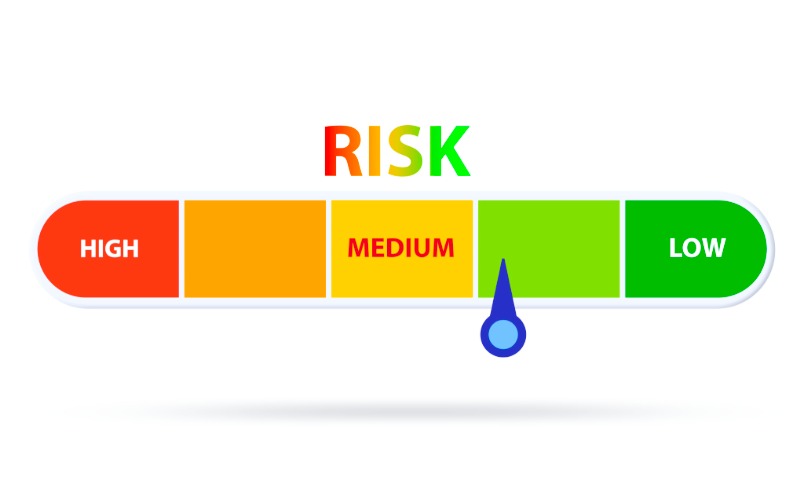
  • Faster signal, cleaner file. Our Regulatory Query Packet (see workflow below) includes timelines, source links, and exactly how we scored the Riskometer.
  • Update path. When your agency posts a new order, closure, compliance letter, docket update, or recall termination, we recalibrate and update the CVR on the next review cycle.

What It Means for Businesses

  • An advisory is not an accusation. It aggregates public risk indicators (with citations) to inform consumers and assist regulators.
  • We do not collect company rebuttals. ComplyTexas is not a complaint clearinghouse and not a mediator. We don’t publish company statements.
  • Regulator‑verified updates only. We update, downgrade, or remove advisories only when an official public source changes (new order, bulletin, docket closure, court decision, recall termination, licensing update).

  • How to clear a flag: Work with your regulator. Once the regulator publishes a resolution (order, closure notice, compliance letter, docket update), we recalculate the Riskometer and update the CVR during the next review cycle.
  • Transparency: If you see something inaccurate, use the “Request a Review/Correction” link on the card. Provide the document and page reference; we’ll verify against the public record and update the card if warranted.
  • Tip: If your regulator posts a corrective action, you can email us the link to that public page. We’ll verify and reflect it in the next cycle. We do not process private letters or company statements.

Questions? Contact Comply Texas

Contact UsFind A Regulatory Agency